How to Make Money on YouTube: A Realistic Guide for New Creators
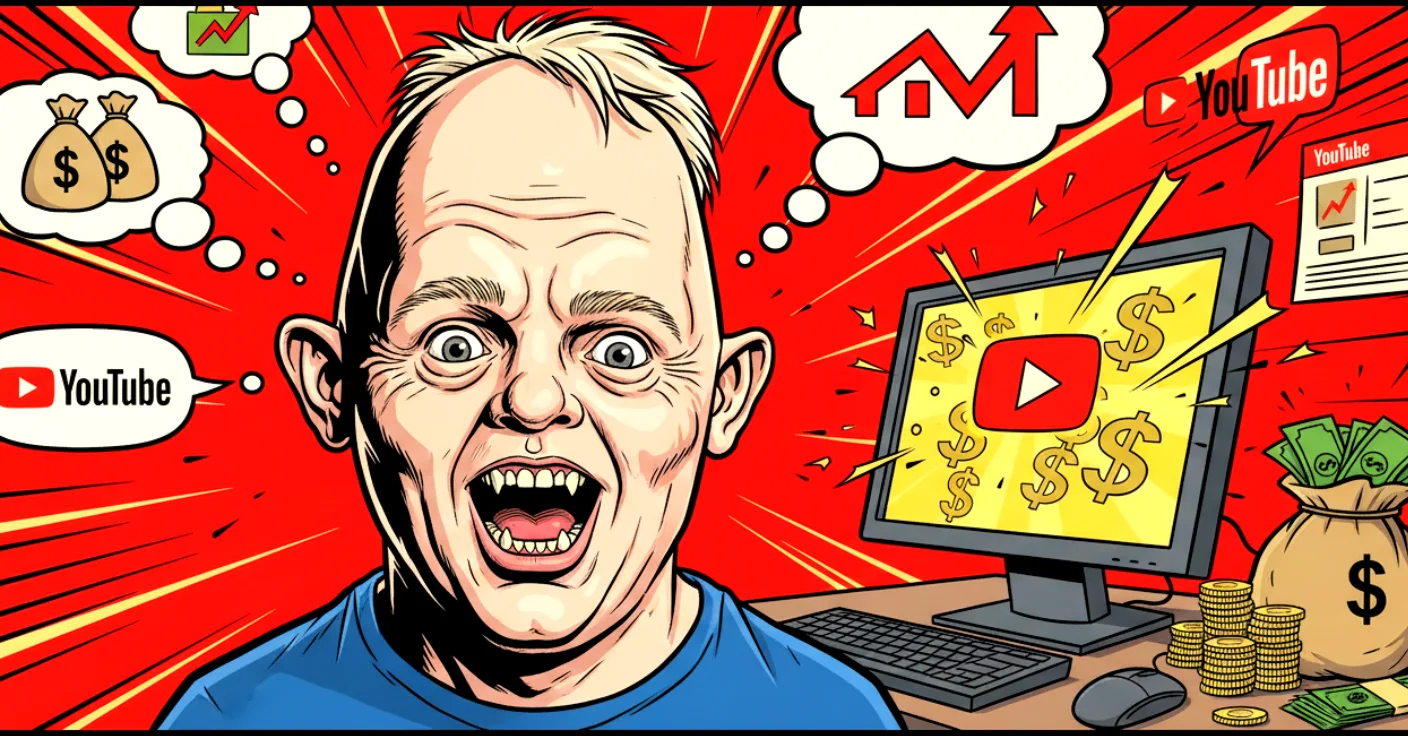
Self‑made videos dominate YouTube, and the platform is now a strange mix of teenagers filming chaotic bedroom vlogs, global corporations pushing glossy adverts, and everyday people quietly uploading helpful tutorials. But can you actually make money from uploading videos? Yes — absolutely. However, it’s not a quick win, and anyone promising overnight riches is selling you a fantasy. YouTube is a long game, and the creators who succeed are the ones who stick with it.
YouTube began life as a simple video‑sharing site where anyone could upload clips of their pets, holidays, or questionable dance routines. Today, it’s one of the world’s largest search engines, a global entertainment hub, and a full‑time career for thousands of creators. The platform allows anyone to upload videos they’ve created themselves or have permission to use, and once you meet the eligibility requirements, you can monetise your content through advertising, channel memberships, Super Thanks, and other features.
But before you start dreaming of quitting your job and buying a mansion with a swimming pool shaped like the YouTube logo, let’s break down how earning money actually works — and what you need to do to stay on the right side of YouTube’s rules.
How YouTube Monetisation Works
To earn money, you need to join the YouTube Partner Programme (YPP). This requires:
- A Google account
- An AdSense account
- Meeting YouTube’s eligibility criteria (watch hours, subscribers, and content compliance)
Once accepted, YouTube places ads on your videos. You earn a share of the revenue, and Google keeps the rest. It’s simple in theory, but the real challenge is building a library of videos that attract consistent views.
YouTube has evolved dramatically. In the early days, most content came from amateur creators filming on basic cameras. Now, major companies, film studios, news organisations, and professional creators dominate the platform. Yet despite this, YouTube still has a thriving amateur community — and many of them earn substantial income. Some creators make hundreds of thousands of pounds per year, and a handful make millions. Most of them appeal to younger audiences, and if you’re over 18, you may not recognise a single name. Don’t worry — that’s normal. YouTube fame is often very niche.
What You Need to Start Making Money
Your equipment depends entirely on the type of videos you want to create.
If you plan to film yourself, other people, animals, or outdoor scenes, you’ll need a camera capable of recording high‑definition or 4K video. This doesn’t have to be expensive — many modern smartphones record excellent footage.
If you want to create tutorials, gaming videos, or software demonstrations, you’ll need screen‑recording software. If you want to do both, you’ll need both.
Video editing software is also essential. Even simple edits — trimming clips, adding text, improving audio — make your videos look far more professional. Accessories such as tripods, microphones, and lighting can also help, but you don’t need everything on day one. Start small and upgrade as you grow.
What Kind of Videos Should You Make?
This is the question every new creator asks, and the answer is surprisingly simple: make videos that are useful, interesting, or entertaining — ideally all three.
Avoid copying trends that are already oversaturated. YouTube is drowning in “Let’s Play” gaming videos, makeup tutorials, and reaction videos. Unless you bring something genuinely unique, your content will disappear into the noise.
Instead, focus on videos that solve problems, answer questions, or provide value. For example:
- If you know how to change the rear brake light on a Peugeot 308, film it.
- If you can fix a washing machine door seal, record a step‑by‑step guide.
- If you live in a town with interesting landmarks, film them — people search for these.
- If you have pets, record them. Animals have a habit of doing something adorable the moment you stop paying attention.
You don’t need to appear on camera if you’re shy. Many successful channels never show the creator’s face. Voice‑over tutorials, screen recordings, animations, and location videos all work perfectly well.
The key is consistency. Upload regularly, keep your videos clear and helpful, and you’ll slowly build an audience.
How Much Money Can You Realistically Make?
This is where expectations need to be realistic. When you first start, you’ll earn pennies — literally. A few pence per week is normal. As your video library grows, those pennies turn into pounds.
Most videos will receive fewer than 500 views per year, while others will receive a lot more. That’s normal. But if you upload one or two videos every week, your channel will grow steadily. After a couple of years, many creators earn between £100 and £200 per week. Some earn far more, especially if they find a niche with high search demand.
And remember: once your videos are uploaded, they continue earning money without any additional work. YouTube is one of the few platforms where your old content can generate passive income for years.
The Downsides of YouTube
The biggest downside is control — or rather, the lack of it. YouTube is owned by Google, and Google can remove videos or ban accounts at any time if they violate the rules. Once your account is banned, your content is gone forever.
This is why it’s essential to follow YouTube’s policies carefully. Copyright violations, misleading content, spam, harmful behaviour, and reused content without commentary can all lead to strikes or bans.
Treat YouTube like a rented house: you can decorate it, but you don’t own the building.
Copyright: How Not to Get Banned
Copyright is one of the biggest reasons creators lose their channels. You must only upload:
- Videos you created yourself
- Videos you have permission to use
- Music you have the rights to use
Never upload music from famous artists unless you have explicit permission or a licence. YouTube’s Content ID system is extremely advanced and will detect copyrighted music instantly.
To stay safe:
- Use royalty‑free music from reputable sites
- Use music licensed for YouTube use
- Read the licence terms carefully
- Keep proof of your licence
Good sources include:
- YouTube Audio Library (free)
- Epidemic Sound – epidemicsound.com
- Artlist – artlist.io
- AudioJungle – audiojungle.net
If you use music without permission, you risk demonetisation, copyright strikes, or a full account ban.
Recommended Software for New Creators
Free Screen Recording Software
- OBS Studio – obsproject.com
A powerful, free tool used by millions. Ideal for tutorials, gaming, and livestreams. - ShareX – getsharex.com
Lightweight, simple, and perfect for quick screen recordings.
Paid Screen Recording Software
- Camtasia – techsmith.com/camtasia
User‑friendly, packed with features, and excellent for professional tutorials.
Free Video Editing Software
- DaVinci Resolve – blackmagicdesign.com
Hollywood‑grade editing software with a free version that’s incredibly powerful. - Shotcut – shotcut.org
Simple, open‑source, and great for beginners. - HitFilm – fxhome.com
Free version available, ideal for YouTube creators.
Paid Video Editing Software
Which New Creators Should Upload to YouTube?
YouTube is ideal for:
- People who enjoy teaching others
- DIY enthusiasts
- Tech reviewers
- Local explorers filming towns, cities, and landmarks
- Pet owners
- Gamers who provide commentary or tutorials
- Creators who enjoy storytelling
- Anyone with a niche skill or hobby
The best creators are those who provide value. If you can solve a problem, entertain someone, or teach a skill, YouTube is the perfect platform.
Conclusion
YouTube is one of the most accessible ways to earn money online, but it requires patience, consistency, and creativity. You won’t become rich overnight, but if you upload regularly, follow copyright rules, and create content people genuinely want to watch, you can build a steady income over time. Start small, learn as you go, and enjoy the process — because the creators who succeed are the ones who stick with it.