Can You Make and Run a Website If You're Dyslexic?
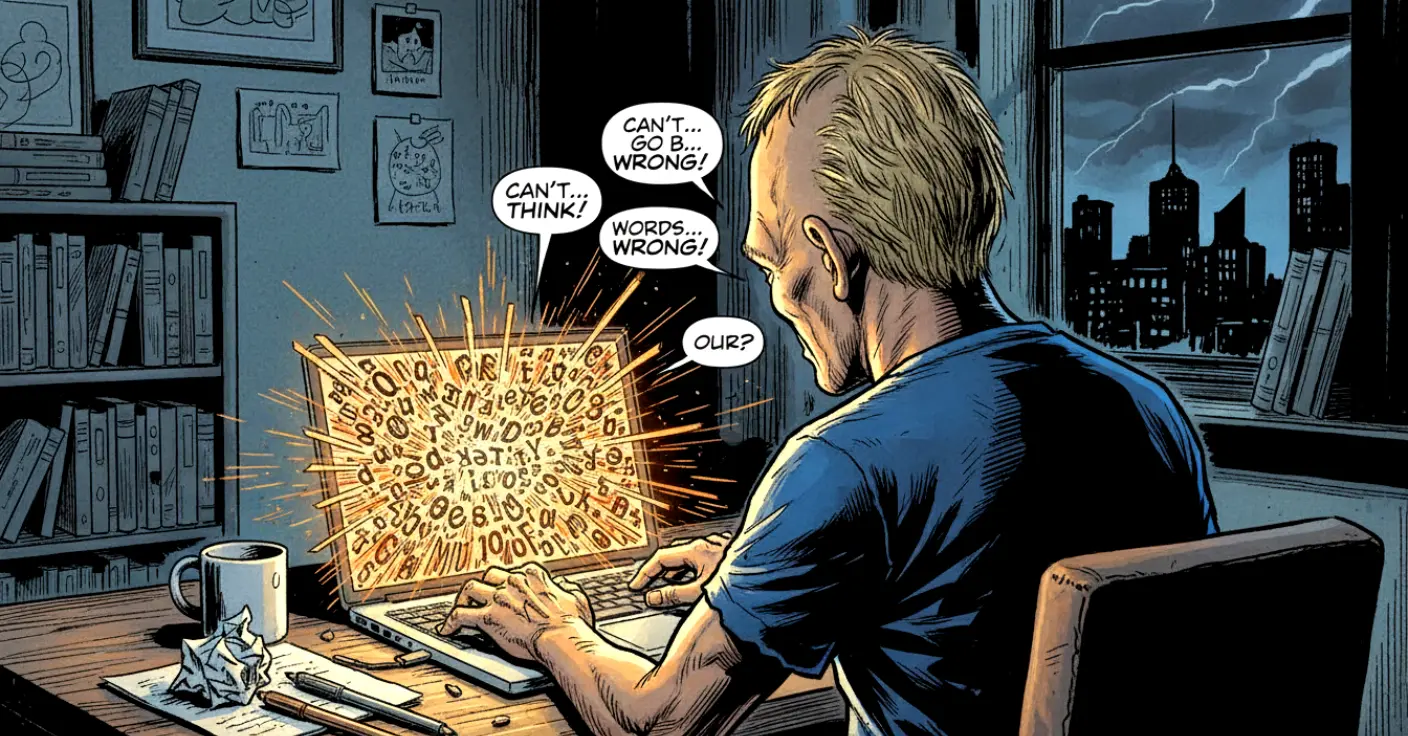
Living with dyslexia has shaped almost every part of my life, especially anything involving writing or spelling. This article is my personal experience of building and running a website despite having a very severe form of dyslexia. My hope is that sharing my story will show others that dyslexia doesn’t have to stop you from creating something meaningful online.
Growing Up With Dyslexia
I was diagnosed with dyslexia in my first year of high school. For me, dyslexia mainly affects writing and spelling. Even the simplest words can feel impossible to spell, and writing anything by hand is almost out of the question. While my reading is fairly strong, I still stumble over new words and often need to slow down to make sense of longer sentences.
Dyslexia feels like a mental block. No matter how many times I tried to learn certain words, they simply wouldn’t stick. Three‑letter words, basic phrases, even my own address at times — all of it was a struggle. This wasn’t just difficult at school; it followed me into adulthood. There were many moments in early jobs where someone asked me to write something down, and I had to awkwardly explain that I couldn’t.
Despite this, I’ve always been creative. I’ve always looked for ways around the challenges dyslexia brings. But everything changed when I got my first desktop computer. Suddenly, I had a tool that gave me a chance to communicate in a way I couldn’t before.
Discovering Technology as a Lifeline
Typing was still difficult, but it was at least possible. I could attempt emails, messages, and notes, even if it took ages and required constant checking with a spelling book. It wasn’t smooth, but it was progress.
The real breakthrough came when I discovered speech recognition software. One programme in particular — Dragon NaturallySpeaking — transformed my life. Instead of typing, I could speak into a microphone and watch my words appear on the screen. Something that once took half an hour could now be done in minutes.
This didn’t mean everything suddenly became easy. Speech recognition software needs training. You can’t just install it and start talking. You need a good microphone, patience, and time. The software has to learn your voice, your accent, your tone, and your habits. It took me weeks to get it working well enough to rely on.
But once it clicked, it opened a door I never thought I’d walk through.
Learning to Write Without Writing
Even with speech recognition, writing wasn’t simple. Dyslexia meant I didn’t really understand how to structure messages or articles. I had spent so long avoiding writing that I didn’t know how to do it properly.
So I practised. A lot.
I spent years on forums, typing short messages, replying to people, and slowly learning how to put sentences together. It took me five or six years of constant practice before I reached a level where I felt confident enough to write longer pieces.
I’m still not perfect. I still make mistakes. But I’ve gone from barely being able to write a simple email to producing articles that are thousands of words long. That’s something I never imagined I would achieve.
Building a Website With Severe Dyslexia
This entire website — every article, every guide, every page — has been created by someone with a severe form of dyslexia. If you had told me years ago that I would run a website filled with written content, I would have laughed.
But modern technology makes it possible.
Speech recognition software lets me “write” without writing. AI tools help me structure articles, check grammar, and polish my work. Spellcheckers catch mistakes I would never notice. Online editors highlight unclear sentences and suggest improvements.
I still have to put in the effort. I still have to think about what I want to say. But the tools help me express it in a way that others can understand.
The Reality of Using Speech Recognition
Speech recognition software is powerful, but it isn’t magic. Here are a few things I learned along the way:
- You need a good microphone for accurate results.
- Training the software takes time — sometimes weeks.
- You must learn how to speak clearly and at a steady pace.
- You still need to edit your work afterwards.
It’s not a quick fix. It’s a skill you develop. But once you get used to it, it becomes second nature.
Dyslexia Doesn’t Define Your Ability to Create
One of the most important things I’ve learned is that dyslexia doesn’t affect creativity or intelligence. It affects how you read, write, and spell — not how you think. Many people with dyslexia are highly creative, great problem‑solvers, and strong thinkers.
For me, dyslexia has been a challenge, but it hasn’t stopped me from building something I’m proud of. If anything, it pushed me to find new ways to work, new tools to use, and new methods to express myself.
Modern Tools Make Writing More Accessible
Today, technology is better than ever. Speech recognition is more accurate. AI tools can help with grammar, structure, and clarity. Spellcheckers are built into almost every device. You don’t need perfect spelling to write online. You just need determination and the right tools.
If you have dyslexia and dream of creating a website, writing articles, or sharing your knowledge, it’s absolutely possible. It may take time. It may take patience. But it’s achievable.
Conclusion
My personal experience with dyslexia has been full of challenges, but also full of progress. I went from struggling to write a simple sentence to running a website filled with detailed articles. Technology gave me the tools, but persistence made the difference.
If you’re dyslexic and wondering whether you can build and run a website, the answer is yes. With modern tools, creativity, and a willingness to learn, you can achieve far more than you might expect.