The BBC’s Funding Crossroads: Why a Broadband Levy Misses the Mark
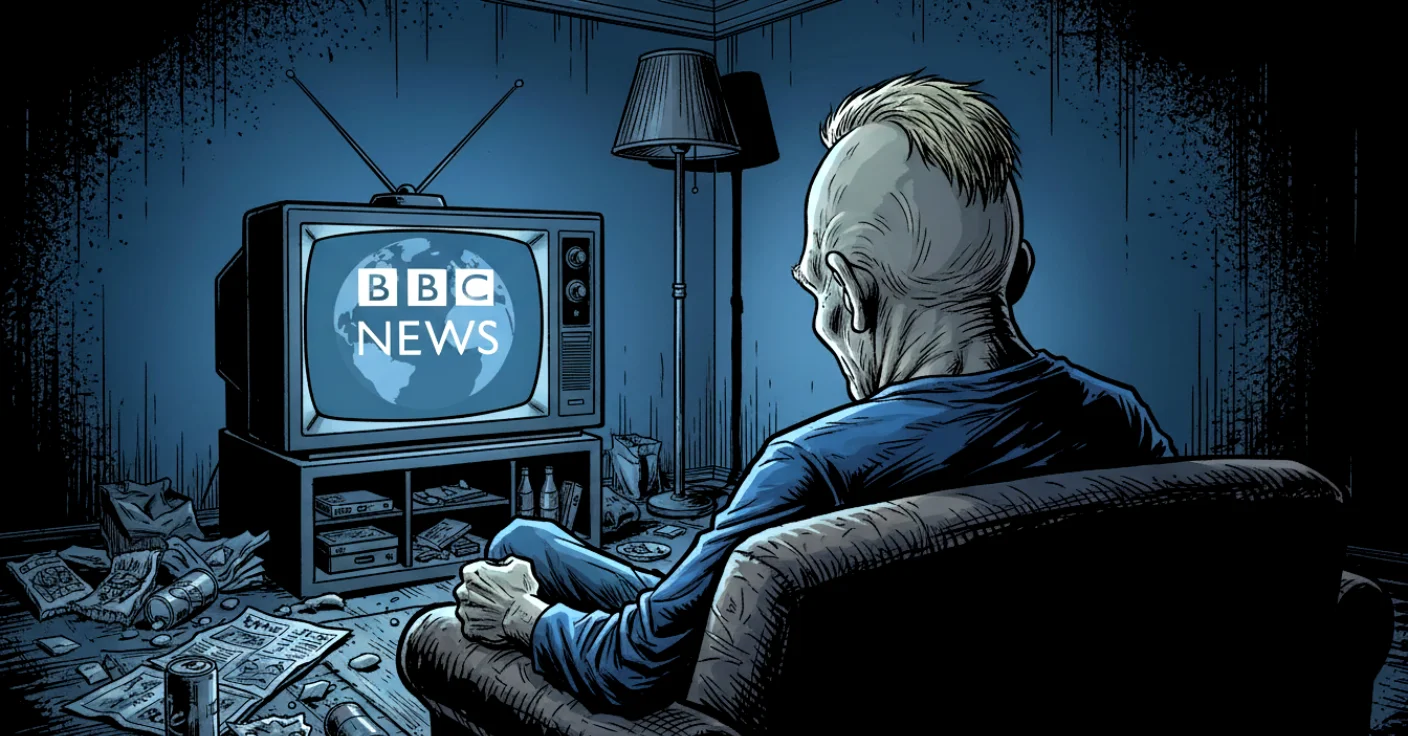
The debate over how to fund the BBC has never been quiet, but it has certainly become louder, sharper, and far more urgent. The traditional TV licence fee—long defended as a pillar of public service broadcasting—is now struggling to survive in a media landscape that bears almost no resemblance to the world it was designed for. With a formal government review underway and campaign groups pushing hard for their preferred solutions, the question is no longer whether the licence fee will change, but how radically.
One proposal now sitting with the culture secretary’s team would scrap the annual licence fee entirely and replace it with a mandatory broadband levy of around £11 a month. It would appear automatically on your internet bill, regardless of whether you watch the BBC, listen to its radio stations, or consume any of its content at all. The idea is simple: if people won’t voluntarily pay for the BBC anymore, make the charge unavoidable.
But simplicity is not the same as fairness, and the politics behind this proposal are anything but neutral.
Why the Licence Fee Is Failing
The licence fee’s problems are not new, but they are accelerating. The annual charge—now £180—continues to rise with inflation, yet fewer people are paying it each year. Non‑payment has climbed from under 7% to over 12% in a relatively short period, and the trend shows no sign of reversing. The reason is obvious: the licence fee is tied to watching live television, and live television is no longer the default way people consume media.
Streaming has replaced scheduled broadcasting. Younger audiences barely touch traditional TV. Even older viewers are shifting to on‑demand platforms. A funding model built around watching live programmes simply cannot survive when millions no longer watch anything live at all.
The result is a shrinking pool of payers supporting a service used by a much wider audience. And because watching live TV without a licence remains a criminal offence, the system is increasingly seen as outdated, unfair, and heavy‑handed.
With the BBC’s Royal Charter expiring soon, the government has launched a formal review: green paper, consultation, and a white paper to follow. The licence fee’s future is officially on the table.
Who Is Shaping the New Model?
One of the most influential proposals comes from the Social Market Foundation (SMF), but the report itself was commissioned by 38 Degrees—a major campaigning organisation, not a neutral research body. Their goal is clear: prevent BBC funding from collapsing.
They are not dishonest, but they are not impartial either. Their recommendations are designed to preserve the BBC’s current scale, not to ask what is fairest for the public. When reading their proposals, it’s important to understand the motivation behind them.
The SMF’s central idea is the broadband levy.
The Broadband Levy: A Charge You Cannot Avoid
The logic behind the levy is blunt: almost every household has broadband, so attaching the BBC’s funding to internet bills makes non‑payment practically impossible. The proposed £11 monthly charge is slightly cheaper than the current licence fee for those who still pay it, but for millions who have cut the cord or simply stopped paying, it is a brand‑new mandatory cost.
There is no opt‑out. The only way to avoid paying would be to live without home internet—an unrealistic prospect for almost anyone today.
This is the core problem. The levy is not a reform; it is a shift from a behaviour‑based charge to a universal tax disguised as a utility fee. It forces people to pay for a service they may not use, through a bill that has nothing to do with television.
Broadband providers themselves are unimpressed. One ISP described the idea plainly: broadband is an essential service, not a convenient collection mechanism for something unrelated and widely seen as outdated.
Other Options Considered—and Rejected
The SMF report explored several alternatives:
- A flat household levy of around £11.15 per month. Rejected because it looked too much like expanding the licence fee to everyone, regardless of media consumption.
- A streaming surcharge of about £6.25 added to services like Netflix or Disney+. Rejected because it would cause mass cancellations and reduce BBC income.
- A “news and culture” top‑up levy of around £2.30 added to the existing licence fee. This would patch a projected funding gap but not solve the underlying problem.
None of these options address the fundamental issue: the BBC’s value proposition is weakening, and the public is voting with their wallets.
The Mutual Society Proposal
Alongside funding changes, the SMF suggests turning the BBC into a mutual society, similar in branding—but not substance—to John Lewis. Members of the public would be selected to sit on a council overseeing BBC leadership.
It sounds democratic, but the reality is hollow. These members would have no influence over editorial decisions, programming, hiring, or strategic direction. They would not own any part of the organisation, nor share in profits. It is oversight without power, designed more for optics than meaningful accountability.
What the BBC Says It Risks Losing
The SMF warns that without stable funding, the BBC could lose up to 63% of its content. Drama budgets could fall dramatically. Arts and music funding—including orchestras and the Proms—could be slashed to a fraction of current levels. Tens of thousands of jobs across the wider creative sector could disappear.
These are serious concerns. But they also raise a fair question: if the BBC’s output is genuinely valued, why are so many people choosing not to pay for it?
Public polling in the report reveals something telling: people are most worried about losing entertainment shows like Strictly, The Traitors, and Match of the Day. News, supposedly the BBC’s core public service, is not what people fear losing most.
That alone says a lot about the BBC’s current identity crisis.
The BBC’s Disconnect from Its Audience
The BBC has spent years drifting away from the tastes, interests, and priorities of the people who fund it. While it still produces occasional standout programmes, much of its output is filler—safe, predictable, and often out of touch.
Meanwhile, many beloved classics have vanished from the platform, deemed culturally inappropriate or outdated. Shows like Monty Python, Only Fools and Horses, and Yes, Prime Minister now live on subscription services that are more willing to preserve them.
If the BBC is truly in tune with the public, why are so many of its most cherished programmes no longer available on its own platform?
The market is speaking, and the BBC is not listening.
The Fair Alternative: Let People Choose
The simplest, fairest solution is also the one the BBC seems most reluctant to consider: move to a subscription model and compete on equal terms with Netflix, Amazon, Disney+, and every other streaming service.
If people want the BBC, they will pay for it. If they don’t, they shouldn’t be forced to.
A subscription model would:
- Align cost with actual usage
- Encourage the BBC to improve its content
- Remove criminal penalties
- Respect consumer choice
- Reflect modern viewing habits
And yes, it would force the BBC to stand on its own two feet. But that is not a bad thing. Competition improves quality. If tens of thousands of jobs are at risk, those skilled workers could strengthen other creative industries that are already thriving.
The BBC should not be insulated from market reality by hiding its funding inside broadband bills.
Conclusion
The licence fee is failing because the BBC has failed to keep pace with its audience. The proposed broadband levy is not a solution—it is a compulsory tax disguised as a utility charge, designed to trap people into paying for something they may not want or use.
If the BBC believes it still matters, it should prove it in the marketplace. Let people choose to pay for it. Let the organisation compete fairly. And let the public decide whether the BBC’s content is worth the price.
A modern media landscape needs modern funding, not outdated charges or hidden levies. The future of the BBC should be built on choice, not compulsion.